
Family Summer Vacations: Cool-Weather Destinations, Water Escapes, and Heat-Smart Planning
Family summer vacations are trips planned around shared recreation, rest, and discovery while accommodating children’s needs and seasonal conditions. To beat the heat, families can choose cooler mountain or coastal destinations, water-based outings, indoor attractions, and schedules that limit midday sun exposure. The National Weather Service advises people to take heat warnings seriously, while the U.S. Centers for Disease Control and Prevention (CDC) notes that children need particular attention during hot weather. The ideas below compare destination types, practical cooling strategies, and safety steps to help families build enjoyable trips without letting high temperatures dictate every activity.
Choose Cooler Destinations for Family Summer Vacations
A heat-smart destination is a place where geography, elevation, shade, or nearby water can make outdoor time more comfortable than in a hot inland city. The National Park Service describes climate and elevation as important influences on conditions within parks; temperatures can differ substantially between low valleys and high-elevation areas. Families should still check local forecasts because mountain weather can change quickly and coastal humidity can make warm temperatures feel hotter.
Mountain towns and high-elevation parks
Mountain destinations offer cooler evenings, forest shade, scenic drives, and short hikes that can be adapted to different ages. Examples include national-park gateway towns, lake communities, and resort areas with gondolas or visitor centers. Before booking, compare elevation, trail difficulty, wildfire conditions, and the availability of water and indoor backup activities. The National Park Service recommends planning ahead for park conditions and bringing enough water; families should also check alerts for closures, smoke, and extreme weather.
Coastal and lakeside escapes
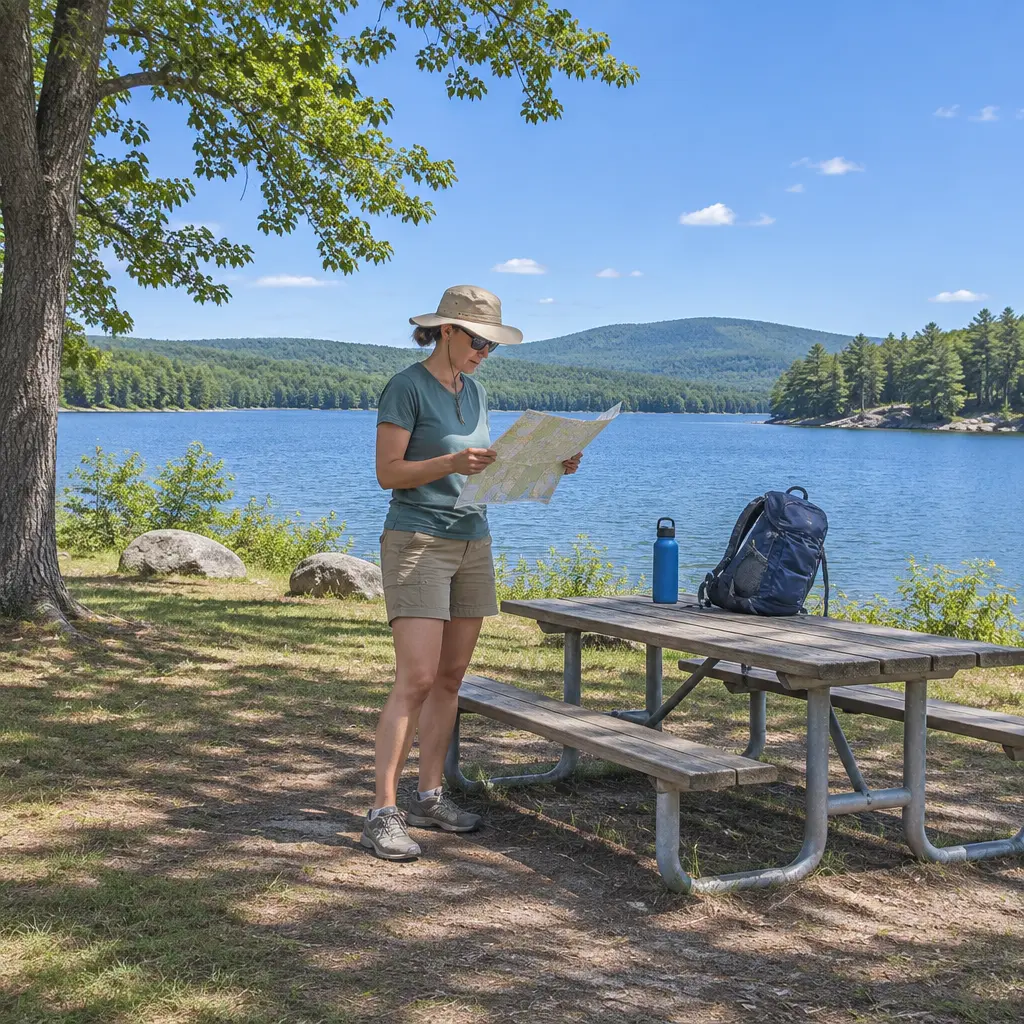
Coastal and lakeside vacations combine swimming, boating, beaches, and waterfront walks, often with breezes that can make recreation feel more pleasant. These destinations are not automatically cool: direct sun, high humidity, warm water, and crowded beaches can still create heat and safety risks. The National Weather Service’s UV Index guidance encourages sun protection when ultraviolet exposure is elevated, and the CDC advises families to use shade, protective clothing, and sunscreen. Choose beaches with lifeguards and review local water-quality advisories before swimming.
Plan Water-Based Activities for Family Summer Vacations
Water-based recreation includes swimming, splash play, paddling, and other activities in or near pools, lakes, rivers, and oceans. It can provide a refreshing way to spend a summer day, but water safety is essential. The CDC reports that drowning is a leading cause of death for children and emphasizes close, constant supervision around water. Families should match activities to children’s abilities and use designated swimming areas.
Pools, splash pads, and water parks
Pools, splash pads, and water parks offer accessible options for different ages, from shallow play areas to slides and wave pools. Look for lifeguard coverage, clear depth markings, shaded seating, and rules that fit your children’s swimming skills. The CDC recommends barriers around home pools and close supervision; at public facilities, caregivers should stay within reach of young or inexperienced swimmers rather than relying on flotation devices as substitutes for supervision.
Lakes, rivers, and ocean outings
Natural-water outings can add kayaking, paddleboarding, beachcombing, or a supervised swim to a family itinerary. Conditions are less controlled than at a pool: currents, waves, cold water, underwater hazards, and sudden weather changes can create danger. The National Weather Service advises checking marine and local weather forecasts before boating or beach activities. Use properly fitted life jackets for boating, follow posted warnings, and avoid entering water when officials report hazardous conditions.
Use Heat-Smart Scheduling and Indoor Alternatives
Heat-smart planning means arranging activities to reduce prolonged exposure to high temperatures and direct sunlight. The National Weather Service recommends limiting strenuous outdoor activity during the hottest part of the day and taking frequent breaks in cool or shaded places. Because heat risk varies with humidity, health, age, and activity level, families should check local heat alerts rather than rely on a single temperature threshold.
Build a morning-and-evening itinerary
A morning-and-evening itinerary places hikes, sightseeing, and playground visits in cooler hours, reserving the middle of the day for lunch, rest, swimming in a supervised setting, or indoor attractions. This simple schedule can make an outdoor destination more manageable without eliminating activities. The CDC identifies children as a group that may be more vulnerable to heat-related illness and advises recognizing warning signs such as dizziness, nausea, headache, or unusual weakness. Stop activity and seek a cool place if symptoms appear.
Choose air-conditioned cultural and indoor stops
Museums, aquariums, science centers, libraries, cinemas, and indoor play spaces provide useful breaks from outdoor heat while keeping a trip varied. They can also serve as flexible backup plans when storms, smoke, or extreme heat disrupt outdoor plans. Check opening hours, timed-entry requirements, accessibility, and family programming in advance. A practical itinerary alternates outdoor highlights with indoor rest rather than treating indoor time as a last-minute emergency option.
Pack for Comfort and Family Heat Safety
Heat-safety preparation combines hydration, sun protection, suitable clothing, and awareness of changing conditions. The CDC and National Weather Service both recommend taking precautions during hot weather and paying attention to heat alerts. Families can use a simple checklist to reduce avoidable discomfort while keeping plans adaptable.
Hydration, shade, and sun protection
Pack drinking water, lightweight clothing, hats, sunglasses, and sunscreen, and plan regular shade breaks. The CDC recommends broad-spectrum sunscreen with an SPF of 15 or higher for sun protection, alongside shade and protective clothing; follow the product label and reapply as directed, especially after swimming or sweating. Never leave children unattended in a parked vehicle: the National Highway Traffic Safety Administration warns that vehicle interiors can heat rapidly, even when outside conditions seem moderate.
Flexible plans and local alerts
A flexible vacation plan includes alternatives for heat advisories, thunderstorms, wildfire smoke, poor air quality, and water closures. Check official local alerts, park notices, and weather forecasts each day, and be ready to shorten or replace outdoor activities. Families with infants, older relatives, or members with health conditions should consult a healthcare professional about individual heat risks and medication-related precautions.
Conclusion: Make Family Summer Vacations Cooler and Safer
The best heat-beating family vacation combines a suitable destination with thoughtful timing and realistic safety measures. Mountain and coastal stays can offer appealing outdoor variety; pools and natural-water outings add refreshing recreation when supervised carefully; and indoor attractions provide comfortable alternatives during the hottest hours. Plan morning and evening activities, pack for sun and hydration, and check official conditions before heading out. Start with one or two family priorities, then build a flexible itinerary that makes room for rest, discovery, and changing weather.
Sources: Centers for Disease Control and Prevention, Heat and Health, https://www.cdc.gov/heat-health/; Centers for Disease Control and Prevention, Drowning Prevention, https://www.cdc.gov/drowning/prevention/; Centers for Disease Control and Prevention, Sun Safety, https://www.cdc.gov/skin-cancer/sun-safety/; National Weather Service, Heat Safety, https://www.weather.gov/safety/heat; National Weather Service, UV Index, https://www.weather.gov/safety/uv-index; National Weather Service, Beach Hazards and Safety, https://www.weather.gov/safety/beach; National Park Service, Plan Like a Park Ranger, https://www.nps.gov/articles/000/plan-like-a-park-ranger.htm; National Highway Traffic Safety Administration, Heatstroke Prevention, https://www.nhtsa.gov/heatstroke.