
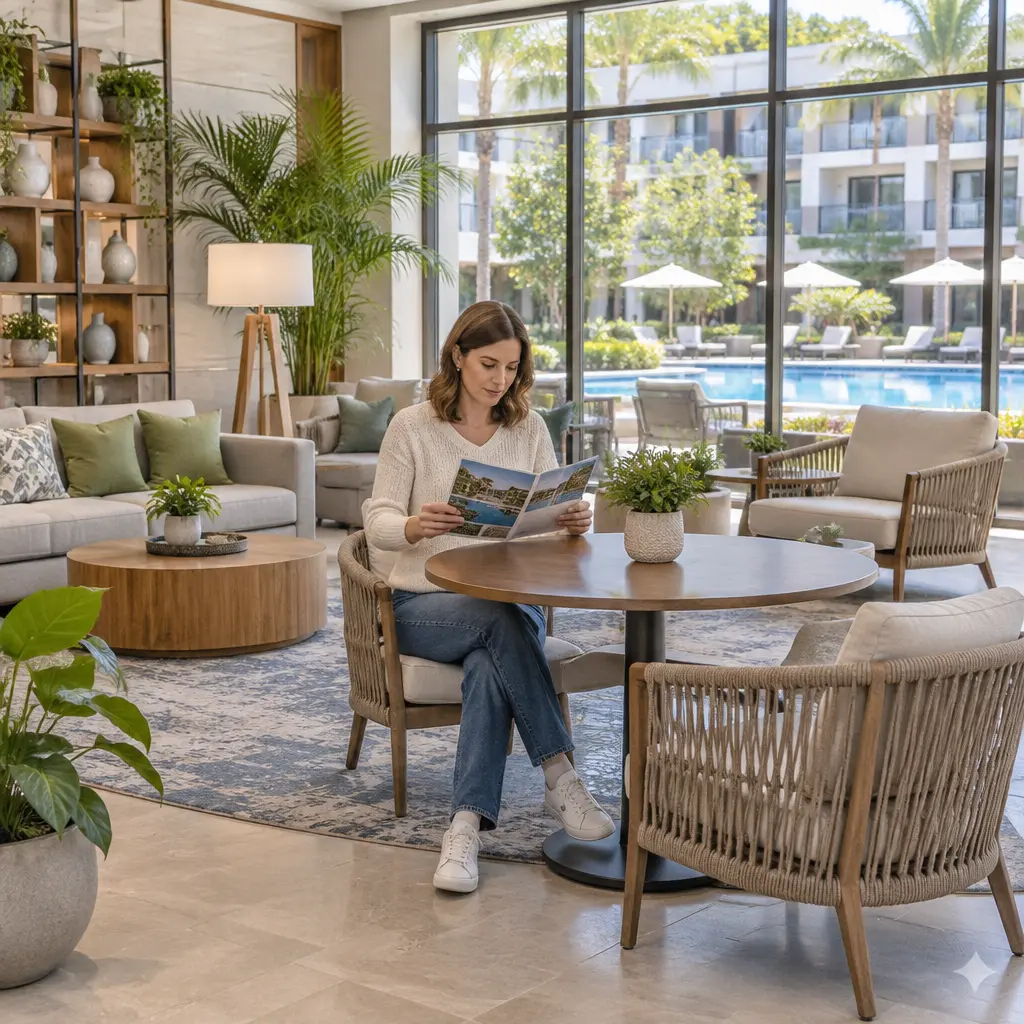
Family-friendly hotels designed for parental relaxation balance supervised care, convenient services, and calm spaces with children’s needs rather than maximizing the number of attractions. For parents, the most useful measures are often whether childcare is reliable, pools and dining are easy to manage, rooms support rest, and quiet areas are genuinely separate from busy family facilities. The American Academy of Pediatrics recommends that children ages 3 to 5 get 10 to 13 hours of sleep per 24 hours, including naps, underscoring why a restful room and workable routine matter on holiday as well as at home. Choosing a hotel by care quality, practical comfort, and noise management can therefore be more valuable than choosing one by the sheer volume of entertainment.
How hotel features support parental relaxation
Parental relaxation in a family hotel is the extent to which the property helps caregivers recover from routine responsibilities while children remain safe, comfortable, and appropriately occupied. It is not simply a spa, a large pool, or a kids’ club: it depends on how well the hotel combines trusted supervision, convenient logistics, restorative spaces, and predictable service. The American Academy of Pediatrics’ sleep guidance highlights one practical consideration: when children’s sleep is protected, parents are less likely to spend the trip managing overtiredness and disrupted routines.
This approach distinguishes useful family amenities from entertainment volume. A hotel may advertise many activities, but if the children’s program is unsuitable for a child’s age, has limited hours, or requires parents to remain present, it may offer little genuine downtime. Conversely, a smaller resort with a well-run, age-appropriate club, shaded seating near the pool, and quiet family rooms may better meet a family’s needs. Common subtypes include supervised-care resorts, wellness-oriented family hotels, quiet beach or nature lodges, and urban hotels with practical childcare arrangements.
Supervised childcare and kids’ clubs
A kids’ club is a hotel-organized activity program for children; a supervised childcare service is a more specific arrangement in which staff take responsibility for children during stated hours and under stated conditions. For parental relaxation, the distinction matters: scheduled crafts or games with caregivers required to stay nearby are not equivalent to drop-off care. Before booking, ask about minimum and maximum ages, staff qualifications, group sizes, check-in procedures, medical and allergy policies, operating hours, and whether reservations or extra fees apply.
There is no single international staffing ratio or operating standard that applies to every hotel kids’ club. Requirements and practices vary by country and provider, so families should verify the specific property’s policies rather than assume that “kids’ club” guarantees a particular level of supervision. The U.S. Centers for Disease Control and Prevention advises travelers to plan ahead for children’s health needs, including medications and relevant medical information; the same preparation is useful when discussing a child’s needs with hotel staff. A short trial visit, if permitted, can help a child settle in and let parents assess the environment before relying on the service for longer periods.
Restful rooms, sleep, and noise control
Restful accommodation means more than a comfortable bed: room layout, sound insulation, blackout curtains, temperature control, and space for children to sleep without ending the adults’ evening can all affect the quality of a stay. The American Academy of Pediatrics recommends 10 to 13 hours of sleep per 24 hours for children ages 3 to 5, including naps; sleep needs differ by age, but the guidance illustrates why a quiet, practical room can be a core family amenity rather than a luxury.
Families should check whether the hotel offers adjoining rooms, suites with separate sleeping areas, cribs, bed guards, or rooms away from entertainment venues, lifts, and service areas. These features are especially useful for younger children and families whose routines depend on naps. Reviews can help identify recurring noise issues, but confirm room location directly: a “quiet room” request may not be guaranteed, and hotels may not control noise from neighboring guests or nearby public spaces.
Wellness facilities and adult downtime
Wellness amenities include facilities such as a spa, fitness room, adult pool, relaxation lounge, or quiet garden. Their value to parents depends on whether they are realistically accessible: a spa is not a source of downtime if parents cannot arrange suitable childcare, and an adults-only pool may be inconvenient if it is far from the family’s usual activity areas. Ask whether services require advance booking, whether childcare is available during appointments, and what age restrictions apply.
A property can create restorative opportunities without an elaborate spa. Comfortable shaded seating, easy access to drinks and snacks, a calm lobby, and a pleasant outdoor area near the children’s play space may let caregivers rest while staying within sight or reach of their children. This is a practical example of designing for parental ease: the aim is not to eliminate family time, but to reduce the effort needed to keep everyone comfortable.
How to compare family hotels by relaxation value
Comparing hotels by relaxation value means evaluating how their services work together for a particular family, instead of counting attractions. The World Health Organization’s guidance on physical activity and sedentary behaviour emphasizes that children benefit from regular movement, but that does not mean every hotel needs a long list of high-intensity attractions. Access to safe outdoor play, swimming, walking, or age-appropriate activities may meet a family’s needs while leaving room for rest.
A useful comparison groups features by the problem they solve: supervised care creates potential adult time; room design protects rest; convenient dining reduces daily planning; and accessible leisure spaces make it easier to supervise children without constant transitions. These categories are more decision-useful than labels such as “luxury,” “family resort,” or “all-inclusive,” which do not guarantee that a hotel’s services fit a given family.
Dining, location, and everyday convenience
Convenience features reduce the small logistical burdens that can consume a family holiday. Examples include flexible meal times, high chairs, children’s menus, kitchenettes, laundry facilities, nearby shops, stroller-friendly paths, and transport that does not require complicated transfers. These services may look less exciting than water slides, but they can meaningfully reduce the time and energy parents spend arranging meals, washing clothes, and moving between activities.
Families should also examine the hotel’s setting. A remote resort may offer quiet surroundings but require long transfers and limited dining choices; a centrally located hotel may make outings simpler while exposing rooms to street noise. The right trade-off depends on the children’s ages, trip length, transport plans, and appetite for excursions. Check walking distances and accessibility information rather than relying on broad descriptions such as “close to the beach” or “near attractions.”
Pool, beach, and outdoor-space safety
A pool or beach can provide valuable shared recreation, but it is not a substitute for active adult supervision. The U.S. Centers for Disease Control and Prevention identifies drowning as a leading cause of unintentional injury death for young children in the United States and stresses the importance of close, constant supervision around water. Parents should confirm whether a pool is lifeguarded, inspect barriers and access points, and establish clear supervision responsibilities; hotel signage or the presence of other adults should never be treated as a guarantee of safety.
Outdoor amenities are most relaxing when they are both safe and easy to use. Shaded seating, clear sightlines, accessible restrooms, non-slip surfaces, and a manageable distance between the pool and the room can help parents supervise while taking breaks. For beaches and natural areas, ask about local hazards, water conditions, accessible routes, and whether the hotel provides reliable information about seasonal risks.
Service reliability, policies, and total cost
Service reliability is the likelihood that advertised amenities will be available when a family needs them. A kids’ club that operates only on selected days, a spa that requires advance booking, or a family pool closed for maintenance can change the value of a stay. Read current guest feedback for patterns, then confirm important details directly with the hotel, preferably in writing. Ask about seasonal schedules, age limits, cancellation terms, extra charges, and what happens if a service is unavailable.
Compare the full cost rather than the headline nightly rate. Childcare, meals, resort fees, parking, equipment rental, and transport may add substantially to the bill. The U.S. Federal Trade Commission’s guidance on pricing transparency is a useful reminder to look for mandatory fees and the total amount due before committing. A higher-priced property may be better value if essential services are included, while a lower-priced hotel may suit families who do not need childcare or extensive facilities.
A practical hotel-selection framework for parents
A practical selection framework starts with the family’s actual sources of holiday stress. Parents who most need uninterrupted time may prioritize credible childcare; families with light sleepers may put room separation and quiet above recreation; and families traveling with toddlers may value short distances, nap-friendly schedules, and convenient food options. This approach turns broad marketing claims into questions that can be checked before booking.
Build a needs-based shortlist
Before comparing properties, list the conditions that would make the trip easier and separate essential requirements from bonuses. A simple scorecard can rate each hotel from 1 to 5 across childcare, room comfort, noise management, dining convenience, water safety, location, and total cost. Weight the categories that matter most to the family; for example, reliable childcare might count twice as much as the number of on-site activities.
- Confirm that childcare is suitable for each child’s age and needs.
- Check whether rooms offer separate sleeping areas and practical child equipment.
- Ask which amenities are included, seasonal, reservation-only, or fee-based.
- Review the route between rooms, dining, pools, and children’s facilities.
- Compare the complete trip cost, including transfers and likely add-ons.
Use reviews as evidence, not as a guarantee
Guest reviews are most useful when they describe specific experiences rather than broad impressions. Look for repeated comments about staff responsiveness, club check-in, room noise, food flexibility, cleanliness, and how the hotel handled a problem. Recent reviews are generally more relevant to current operations, but individual accounts may reflect different expectations, travel seasons, room types, or family circumstances. Treat reviews as prompts for verification, not proof that every visit will be the same.
Confirm details directly before booking
A short message to the hotel can resolve uncertainties that booking pages leave open. Ask for current kids’ club hours and age requirements, whether staff supervise children during the entire session, how to reserve a place, what the room’s likely location is, and whether the quoted price includes mandatory fees. If a child has an allergy, disability, medical need, or sensory concern, explain the requirement and request a clear response about what the hotel can accommodate.
For a real-world comparison, imagine two resorts: one promotes multiple slides and daily stage shows, while the other offers a smaller play area, a supervised club with published hours, suites with separate bedrooms, and easy access to meals. For a family seeking adult downtime and predictable routines, the second property may be the stronger choice even though its entertainment list is shorter. The deciding evidence is not the number of attractions but whether the services are safe, available, age-appropriate, and aligned with the family’s priorities.
Conclusion: prioritize the conditions that let parents rest
Family hotel selection that prioritizes parental relaxation focuses on dependable care, restful rooms, practical convenience, safe leisure spaces, and transparent costs. Kids’ clubs, wellness facilities, dining, and outdoor amenities matter when they work together to reduce parental workload—not simply because they increase the entertainment count. Since children’s sleep needs, water safety, and service availability all affect how a trip unfolds, families should check specific policies rather than relying on marketing labels.
Before booking, rank your family’s needs, compare properties with a weighted scorecard, read recent reviews for concrete details, and confirm essential services directly. The broader lesson is that a successful family holiday is not measured by how many activities a hotel offers, but by whether every family member—including the adults—has a realistic opportunity to feel safe, comfortable, and restored.
Sources: American Academy of Pediatrics, “Healthy Sleep Habits: How Many Hours Does Your Child Need?”, https://www.healthychildren.org/English/healthy-living/sleep/Pages/Healthy-Sleep-Habits-How-Many-Hours-Does-Your-Child-Need.aspx; U.S. Centers for Disease Control and Prevention, “Traveling with Children,” https://wwwnc.cdc.gov/travel/page/children; U.S. Centers for Disease Control and Prevention, “About Drowning,” https://www.cdc.gov/drowning/about/index.html; World Health Organization, “WHO Guidelines on Physical Activity and Sedentary Behaviour,” https://www.who.int/publications/i/item/9789240015128; U.S. Federal Trade Commission, “Fees and Your Consumer Rights,” https://consumer.ftc.gov/articles/fees-your-consumer-rights